Best Fishing Rods for Beginners: Reasonably Priced Selections for First-Time Anglers
Choosing the right fishing rod is crucial for beginners. Budget-friendly options can provide both performance and durability. Comprehending the different types of rods and their key features is important. Several models cater specifically to new anglers. These selections promise to elevate the fishing experience without breaking the bank. The journey into fishing equipment starts here, guiding to decisions that can greatly impact success on the water.
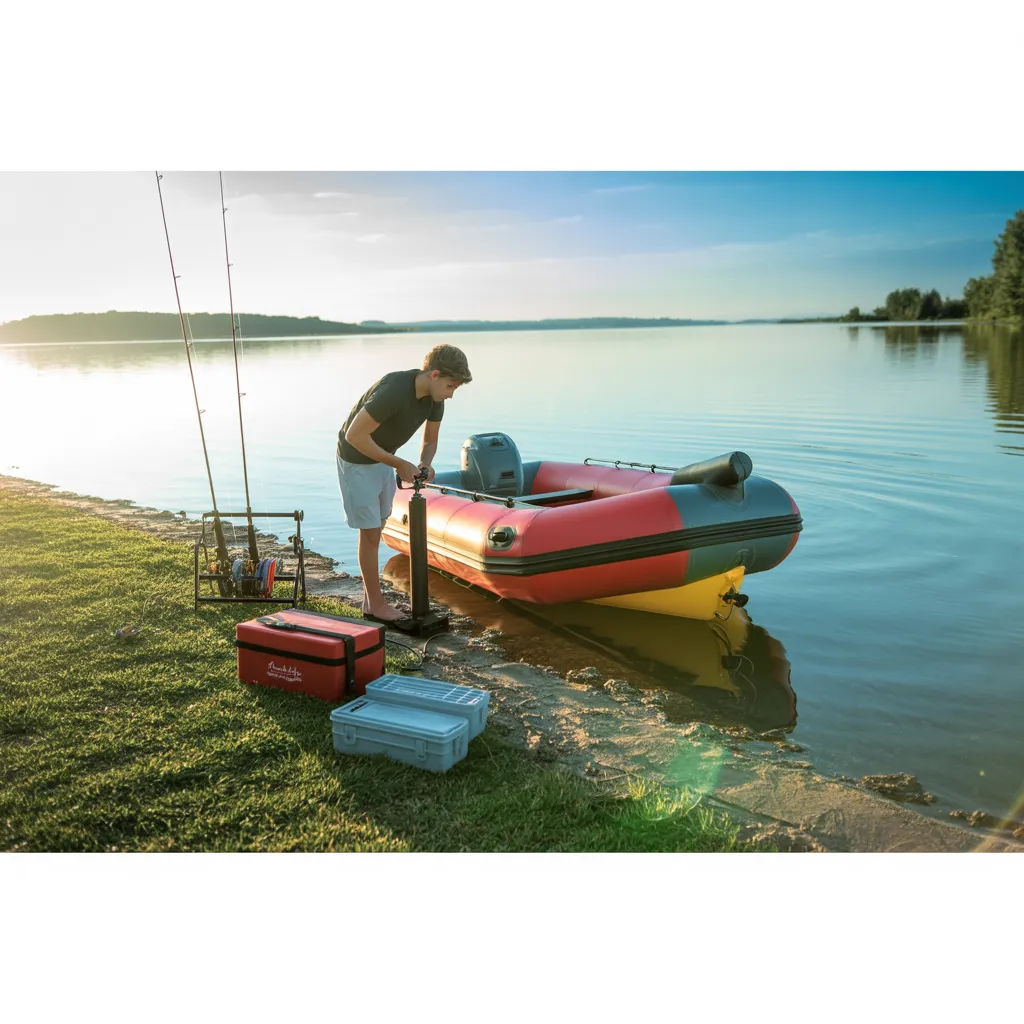
Understanding Fishing Pole Types
Fishing rods are available in multiple varieties, each created to accommodate specific fishing techniques and environments. Spin rods are adaptable selections ideal for beginners, fitting for both freshwater and saltwater fishing. Casting rods, defined by their shorter lengths and heavier action, excel in targeting larger fish species with precision. Fly rods, built for the skill of fly fishing, feature a lightweight structure that enables delicate casting of artificial flies. Ice fishing rods are briefer and firmer, tailored for application in cold conditions, while telescopic rods deliver transportability, collapsing for easy transport. Surf rods, built for shoreline use, are longer to project further into the ocean. Each type of rod addresses a specific need, making it essential for beginners to understand their options based on their fishing aims. Choosing the right rod type can significantly improve the fishing experience, assisting with skill development and enjoyment.
Important Features to Evaluate
In choosing a fishing rod, multiple key features are essential in guaranteeing a suitable choice for beginners. First, rod length is essential; shorter rods deliver improved control for close-range fishing, while longer rods give greater casting distance. Secondly, the rod's material affects both weight and sensitivity; fiberglass is often more reasonably priced and durable, while graphite offers enhanced sensitivity and lightweight performance.
Additionally, the flex action of the rod, which indicates its flexibility, is essential; quick action rods offer swift response, while slow action rods provide more forgiving casting. The power rating, indicating the rod's strength, should match the type of fish targeted to improve performance. Finally, the grip type and material should guarantee comfort during prolonged use, as this can greatly shape the fishing experience. By emphasizing these characteristics, beginners can make well-informed decisions that enrich their fishing outings.
Premium Low-Cost Fishing Rods for Novices
For beginners embarking on their fishing adventure, finding an affordable rod that combines quality and performance is essential. The Ugly Stik GX2 is a favored choice, celebrated for its resilience and sensitivity, making it suitable for diverse fishing environments. The Shimano Solora is another outstanding option, featuring a lightweight design and comfortable grip, perfect for beginners. Moreover, the KastKing Perigee II offers versatility with its two-piece construction, allowing for easy transport without reducing strength.
For anglers looking for a affordable spinning rod, the Berkley Cherrywood HD delivers excellent performance and sensitivity at a reasonable price. Finally, the Penn Battle II combo in-depth guide pairs a robust rod with a trustworthy reel, guaranteeing a seamless fishing experience. These rods provide beginners an excellent and affordable way to begin their fishing adventures while making sure they have the gear necessary to succeed on the water.
Recommendations for Fishing Rod Maintenance
Upon choosing an affordable fishing rod, maintaining it correctly is crucial for maintaining optimal performance and durability. Consistent cleaning is crucial; anglers should clean their rods with freshwater after each use to strip away dirt, salt, and grime. This simple practice helps prevent corrosion and damage to guide rings and reel seats.
Checking the rod for cracks or wear is important as well. Any signs of damage should be handled promptly to prevent further problems. Additionally, housing the rod correctly can prolong its lifespan. Rods should be kept in a cool, dry place, optimally in a rod tube or holder to avoid damage or bending.
Finally, lubricating moving parts, including reel gears, can improve functionality. Utilizing the appropriate lubricant provides smooth operation and minimizes wear over time. By adhering to these maintenance tips, beginning anglers can use their fishing rods for many seasons to come.
Beginning Your Journey: Key Fishing Gear for Newcomers
Beginning a fishing expedition demands more than just excitement; the right gear is essential for a rewarding experience. For novices, a basic setup includes a fishing rod, reel, line, and tackle box containing essential lures and hooks. A medium-action spinning rod matched with a spinning reel provides versatility, making it suitable for various fishing environments.
Furthermore, fishing line should match the rod's strength and type. Beginners should also acquire a tackle box to arrange essential items, including pliers, a fishing license, and a first-aid kit. Wearing correct clothing, such as a wide-brimmed hat and polarized sunglasses, increases comfort and visibility while on the water. Additionally, a fishing net can help land catches more effectively. By preparing this essential gear, new anglers can secure a more enjoyable and productive fishing experience, paving the way for a lifelong passion.
Frequently Asked Questions
What Is the Right Fishing Rod Length for Beginners?
The ideal fishing rod length for beginners usually ranges from 6 to 7 feet. This length gives a balance of casting distance and control, making it perfect for different fishing environments and techniques for new anglers.
Can I Use a Spinning Rod for All Types of Fishing?
Indeed, spinning rods are suitable for various fishing styles, including freshwater and saltwater fishing. The flexible nature of spinning rods makes them appropriate for pursuing different fish species, but specialized gear may be needed for maximum performance in specific situations.
How Do I Select an Appropriate Fishing Reel for My Rod?
Selecting the right fishing reel involves matching its dimensions and weight to the rod's specifications, taking into account the type of fishing intended, and ensuring compatibility with the line and lures generally used for peak performance.
What Is the Difference Between Freshwater and Saltwater Rods?
Rods made for freshwater use focus on lighter tackle and more modest fish sizes, while saltwater variants are engineered to endure corrosion and deal with larger, more formidable species. The materials used and construction methods vary considerably to suit each environment's challenges.
When Should I Replace My Fishing Rod?
A fishing rod needs replacement when it displays considerable wear indicators, including cracks or breaks, or when performance diminishes. Routine checks can assist in identifying when replacement becomes essential for optimal fishing experiences.